






Slot Grids - Find Your Perfect Game Layout
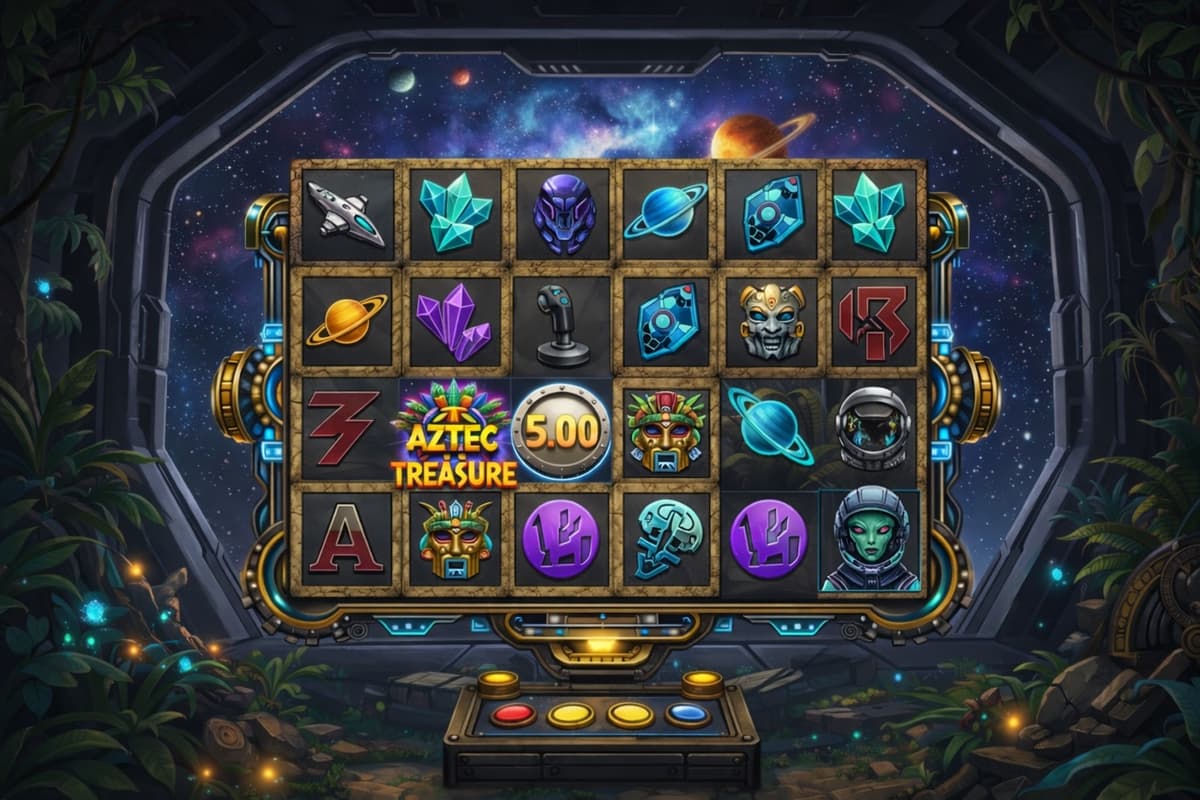
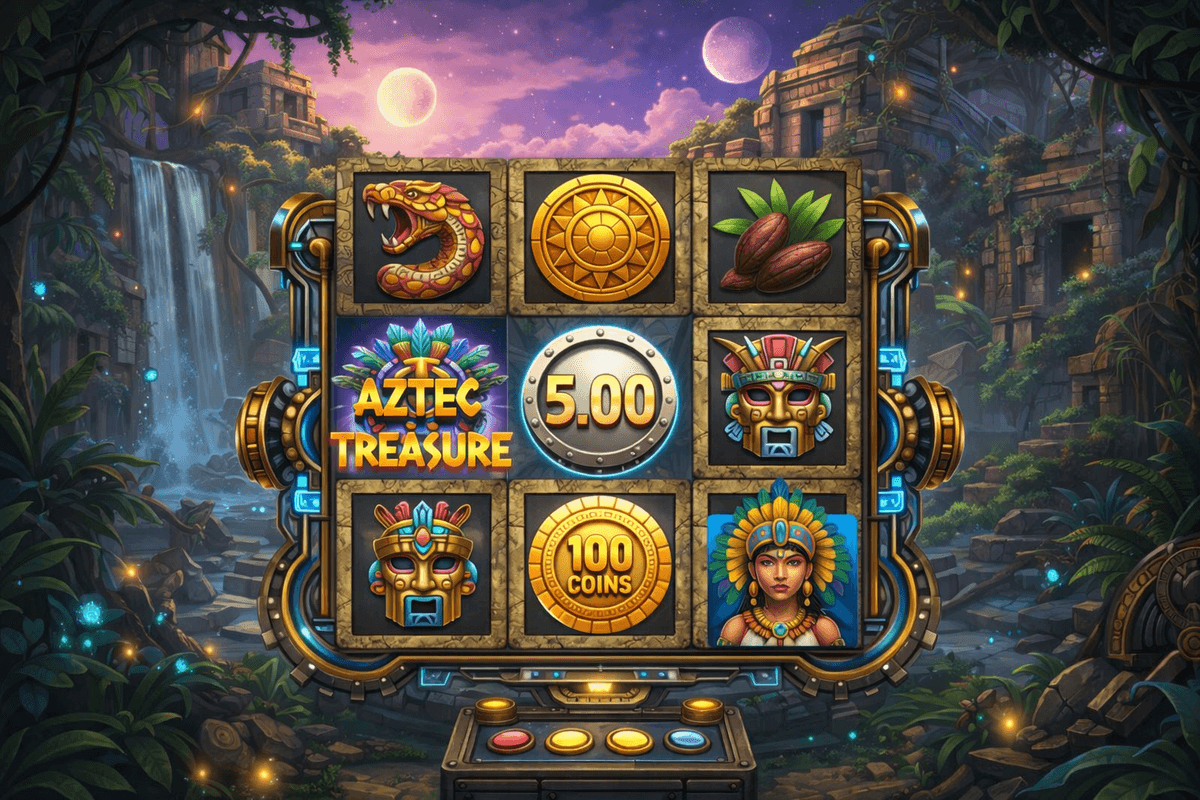
Slot games come in dozens of reel layouts, and each grid shape creates a different rhythm, volatility pattern, and style of play. A classic 3×3 setup delivers simple, steady spins, while the popular 5×3 format gives you more paylines, richer features, and familiar online slot pacing. Larger grids like 6×4, 5×5, or 7×7 unlock avalanche mechanics, cluster pays, and thousands of possible win combinations—perfect for players who enjoy dynamic, fast-moving gameplay.
Your chosen grid layout influences everything: hit frequency, volatility, win potential, and even which features appear (free spins, cascades, multipliers, or megaways-style expansions). Whether you prefer old-school fruit machines - whose charm never fades - or modern, high-energy grid slots, this page helps you explore every layout and find the style that best matches the way you like to play.
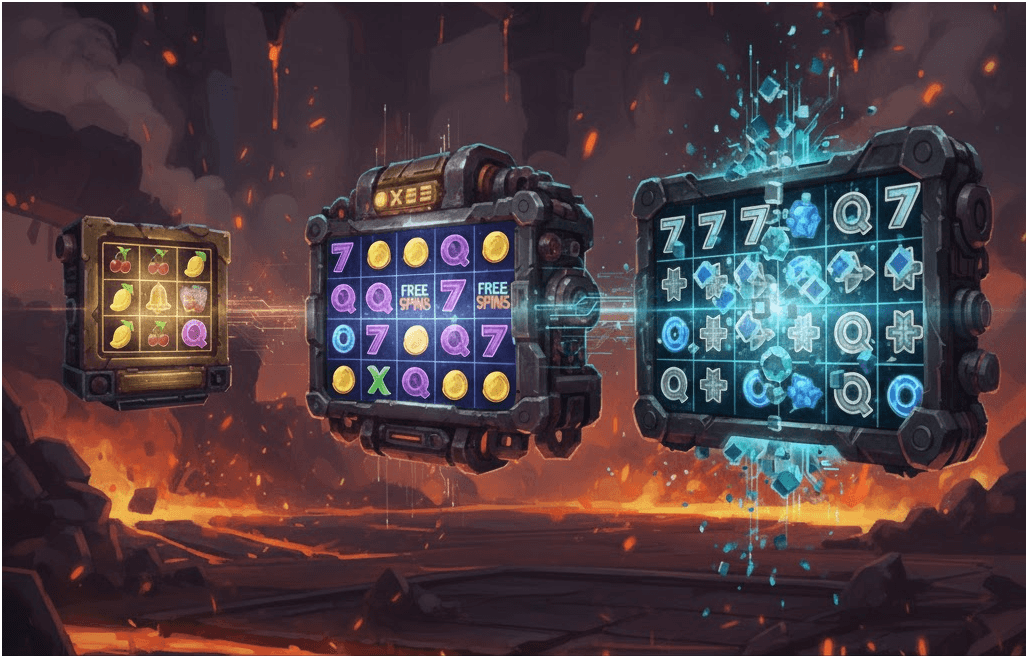
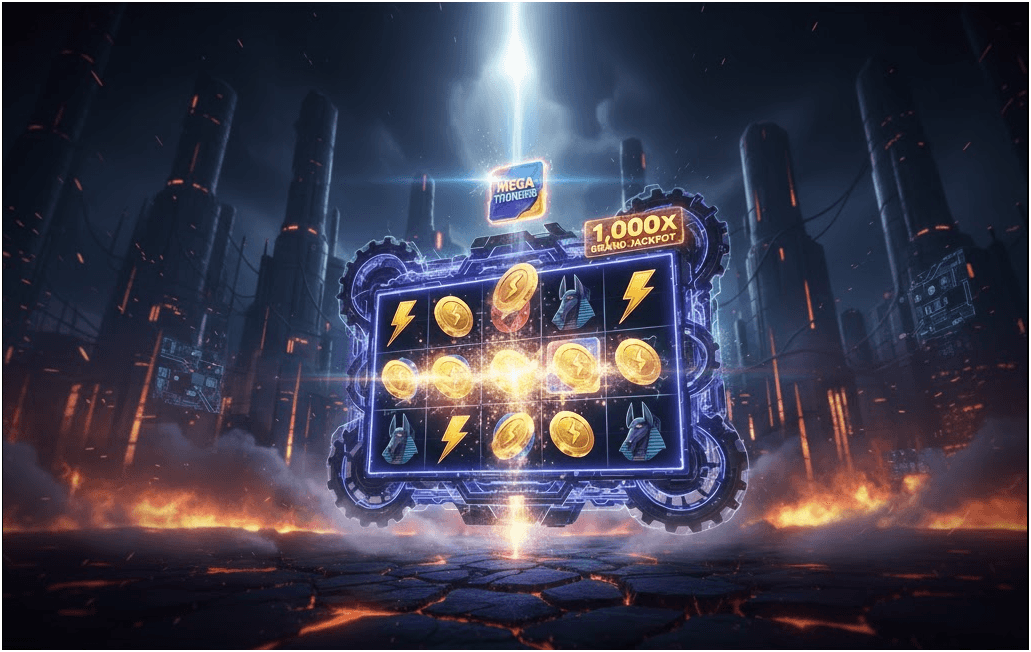
Different slot grid layouts transforming the way each game plays.
Browse All Slot Grids

FAQ
A slot grid refers to the layout of symbols on the reels, such as 3x3, 5x3, or 6x4. The first number shows how many reels (columns) the game has, and the second shows how many symbols appear on each reel (rows). This layout determines how many ways you can win and affects the overall gameplay style.
Bigger grids like 6x4 or 7x7 typically offer more ways to win - sometimes up to 117,649 ways - but that doesn't mean bigger payouts. Smaller grids like 3x3 often have higher hit frequency with smaller wins, while larger grids tend toward bigger but less frequent payouts. The RTP stays similar across different grid sizes.
The classic 5x3 grid is ideal for beginners. It's the most common format, offers a good balance between simplicity and excitement, and is easy for most players to follow. Once you're comfortable, you can try 3x3 slots for faster gameplay or larger grids for more complex features.
No. Two 5x3 slots can feel completely different based on their volatility, bonus features, and payline structure. Some use fixed paylines while others offer 243 ways to win. The grid size is just one factor - the game mechanics and math model matter just as much for how a slot actually plays.
Larger grids tend to come with higher volatility because they support mechanics like cascades, multipliers, and cluster payouts. Smaller grids like 3×3 or 5×3 usually offer more stable, lower-variance gameplay. The grid size alone doesn’t define volatility, but it heavily influences the game design.
Cluster slots are a type of grid slot where wins form by connecting matching symbols in groups, not through paylines. Most cluster games use larger grids, like 6×6 or 7×7, to accommodate chain reactions and cascades.