






Pixel Art Slots - Guide & Top Games
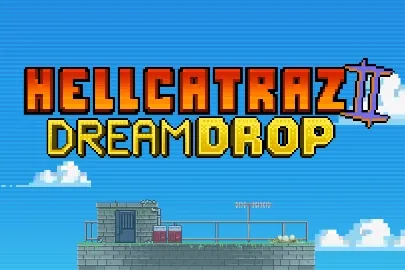
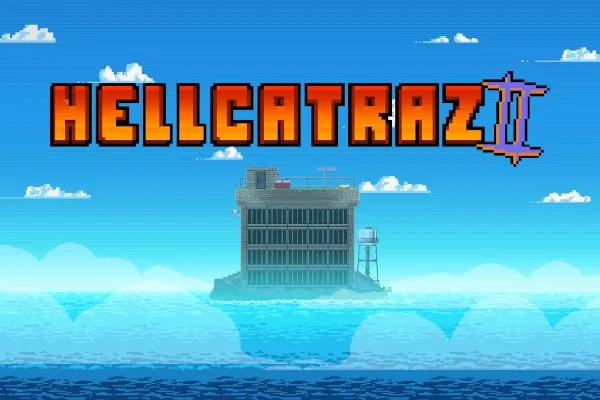
Pixel Art slots use deliberately low-resolution graphics, block-shaped details and tightly controlled colour palettes. Their visual language is associated with early arcade and computer games, where artists created characters, objects and environments from individually placed pixels. The result is a crisp, grid-based appearance rather than smooth, realistic artwork.
This style can influence symbols, backgrounds, menus, animations and bonus displays without determining a slot’s rules or results. On this page, the Pixel Art collection includes Reel Nightmare, Chicken+, Pin Plinko and Plinko Pop, bringing the same recognisable visual approach to different slot concepts and formats.
Top Pixel Art Slots Games



















How Pixel Art Works
Look beyond the visual style
Expect a deliberately limited palette
FAQ
Pixel Art slots are games that use low-resolution, grid-based graphics as a central visual feature. Images are built from visible square pixels, often with crisp outlines, simplified shapes and a limited colour palette. The style may cover reels, symbols, backgrounds and interface elements, while the underlying slot mechanics vary by individual game.
No. Pixel Art is a design style and does not determine a game’s winning chances, payout structure or volatility. Those properties are set by the game’s mathematical model and rules. Check the information supplied with each slot for details such as the return-to-player percentage, paylines, symbols and bonus conditions.
Pixel Art gives a slot a compact, recognisable visual identity and can create associations with classic arcade, home-computer and early console games. Its block-based construction also supports clear symbols and readable animations at different screen sizes. Developers may combine the style with many different themes and game mechanics.
Review the game’s paytable and help section before playing. Look for the available stakes, paylines or winning ways, symbol values, bonus-feature conditions and any published volatility or return-to-player information. Also confirm the minimum and maximum bet, and set a budget that suits your recreational play.