







Roman Slots - Guide & Top Games
Roman slots draw on the imagery of ancient Rome, combining gladiators, legionnaires, emperors, arenas and classical architecture. Their visual style may include marble columns, shields, helmets, laurel wreaths and Roman-inspired lettering, creating a setting based on military spectacle, imperial power and historical legend.
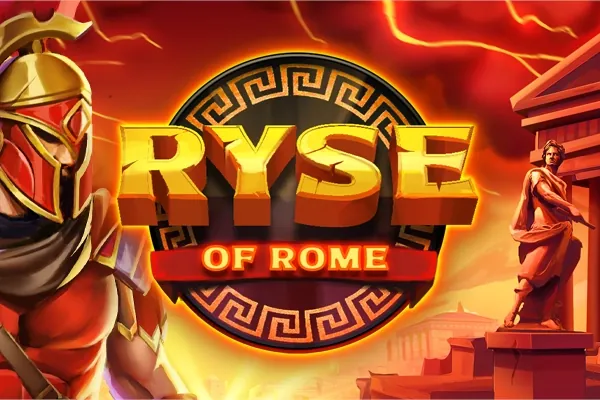
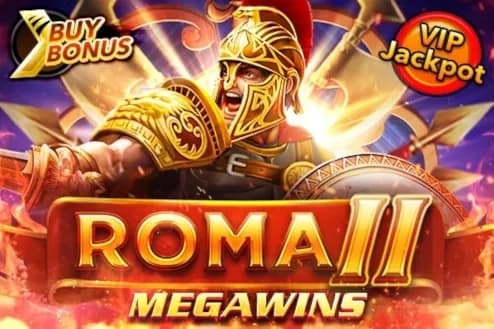
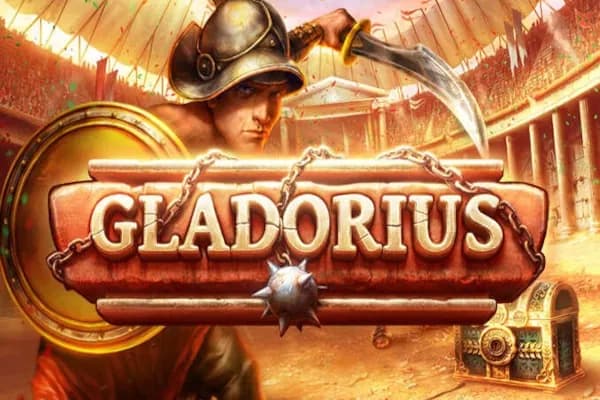
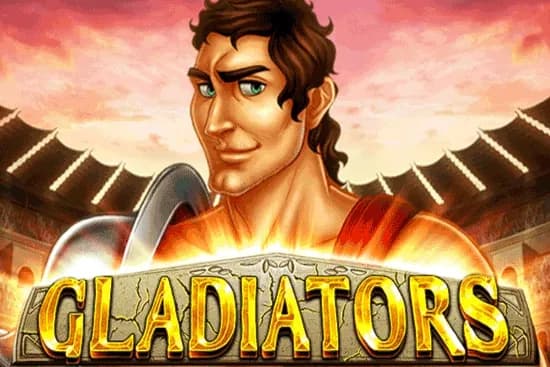
This collection includes games focused on gladiatorial combat, Roman rulers and the journey to Rome, alongside titles using legion and arena settings. Players can expect familiar slot mechanics presented through themed symbols, bonus rounds and visual effects, with some entries specifically identified as Hold & Win or collect-style games.
Top Roman Slots Games










How Roman Slots Work
Check the paytable first
Understand feature conditions
FAQ
Roman slots are casino games built around imagery and stories associated with ancient Rome. Common design elements include gladiators, soldiers, emperors, arenas, columns and Roman coins. The theme affects the artwork, symbols and presentation, while the reel layout, winning combinations and bonus mechanics depend on the individual game.
Hold & Win usually refers to a feature in which selected bonus symbols are held on the reels while the remaining positions are respun for a limited number of turns. New qualifying symbols may reset the counter or add prizes. The exact trigger, prize values and end conditions are set by each game's rules.
Roman slots often borrow recognisable historical imagery, but they are entertainment products rather than accurate history lessons. Characters, locations and events may be presented in a stylised or fictional way. For the precise context of a particular title, consult its information page or the developer's published description.
Compare the game format, reel structure, paylines or win ways, available features and the information shown in the paytable. If published, return-to-player and volatility indicators can also help describe the mathematical profile. Set a budget and treat any outcome as random rather than assuming the theme predicts results.